A wallet is one of the few accessories people use almost every day, whether they are commuting to work, shopping, attending classes, or traveling. Choosing a durable wallet for travel and everyday use means finding a design that keeps essential cards and cash organized while handling regular use without becoming inconvenient. However, durability is not determined by appearance alone. Material quality, construction, storage capacity, maintenance, and practical features all influence how well a wallet suits your lifestyle.
Traditional leather wallets, compact cardholders, and structured metal wallets each offer different advantages. Understanding these differences makes it easier to choose an option that fits your needs and budget. Ridge offers several wallet designs and material options for people who prefer compact everyday carry accessories, making its collection worth considering when comparing long-term wallet options.
Why Wallet Durability Matters
Wallets face daily wear from handling, friction, pressure, and moisture, which can affect their appearance and functionality. A durable wallet should withstand regular use while keeping essentials organized, accessible, and secure.
When evaluating a wallet, consider these key benefits:
- Organization: Keeps cards and cash neatly arranged.
- Convenience: Makes everyday carrying easier.
- Long-term value: Durable construction may reduce replacement costs.
- Protection: Helps keep essentials secure.
Even durable wallets need proper care and may show wear over time.
How to Choose a Durable Wallet
1. Compare Wallet Materials
The material influences a wallet’s appearance, weight, maintenance requirements, and resistance to everyday wear.
Leather: Leather wallets offer a traditional appearance and can develop a distinctive patina with use. Their longevity depends on leather quality, construction, and care. Excessive moisture and unsuitable cleaning products can damage some finishes.
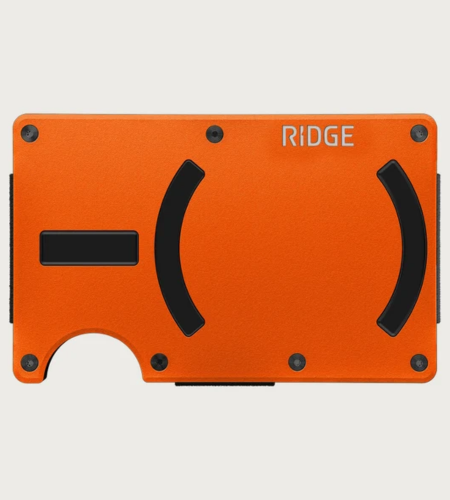
Aluminum: Aluminum wallets provide a structured design and are often chosen by people who prefer a modern, compact cardholder. The finish can still develop scratches or cosmetic wear.
Titanium: Titanium wallets may appeal to shoppers who want a metal construction with a different balance of weight, strength, and finish. Compare the specifications of the actual model rather than relying on material alone.
Carbon fiber: Carbon-fiber designs offer a distinctive appearance and are popular among shoppers interested in technical-looking accessories. Construction and surface finishes still vary between products.
The best material depends on your priorities. Consider the wallet’s intended use, comfort, appearance, and care requirements before making a decision.
2. Check Card Capacity and Accessibility
A wallet should hold your essential cards without becoming difficult to use. Count the payment cards, identification, and other items you regularly carry before choosing a model.
Ridge Wallet designs are made to accommodate between one and twelve standard cards, although thicker or embossed cards may reduce practical capacity.
Also consider how cards are retrieved. Compact wallets often arrange cards differently from traditional folding designs, so the retrieval method may require some adjustment. If you frequently use one particular card, prioritize a design that makes it easy to access.
3. Consider Security Features
Security matters when carrying payment cards and identification while traveling or visiting busy public places.
Some wallets include RFID-blocking construction intended to prevent compatible cards from being read by certain radio-frequency scanners. Ridge Wallet uses RFID-blocking plates as part of its design.
This feature has a specific purpose and should not be confused with complete protection against financial fraud. It also prevents compatible contactless cards from communicating while inside the wallet, meaning you may need to remove a card to make a tap payment.
Continue using sensible precautions, such as monitoring financial accounts and keeping payment details private.
How Ridge Wallets Fit Everyday Needs
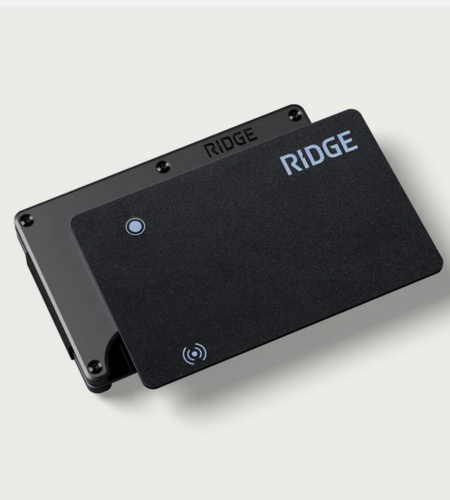
Ridge focuses on compact everyday carry products, including wallets made from different materials and finishes. Its wallet designs combine a structured form with card storage, RFID-blocking plates, and options for carrying folded cash.
Depending on the model, features may include:
- A compact design intended for pocket carry.
- Card storage within a structured frame.
- A cash strap or optional money clip.
- Replaceable components, including selected screws and elastic parts.
- Different materials and finishes to suit individual preferences.
These features may appeal to people who want a wallet that is straightforward to carry and maintain. However, a Ridge Wallet is not automatically the right choice for everyone. Someone who prefers multiple compartments for coins, receipts, and documents may find a traditional wallet more practical.
Pricing, Warranty, and Long-Term Value
Wallet prices vary according to material, design, and included features. Before purchasing, compare the current price of your preferred Ridge model with alternatives that provide similar capacity and functionality.
Warranty coverage is another important consideration. Ridge’s current warranty policy distinguishes between products purchased before and on or after October 14, 2025. Coverage, exclusions, and replacement conditions depend on the applicable policy, so review the terms before ordering.
If you are buying internationally, check shipping availability, delivery estimates, applicable charges, and return eligibility. These details can affect the total cost and convenience of your purchase.
A higher-priced wallet may provide features you value, but price alone does not establish durability. Choose based on construction, practical requirements, warranty conditions, and your budget.
Pros and Cons of Compact Durable Wallets
Pros
- Compact designs can reduce unnecessary pocket bulk.
- Structured materials provide an alternative to traditional leather wallets.
- Some models include RFID-blocking features.
- Replaceable components may help with certain maintenance needs.
Cons
- Limited compartment space may not suit everyone.
- Some designs require practice to access cards comfortably.
- Metal finishes can develop cosmetic scratches.
- Premium materials and features may increase the purchase price.
Frequently Asked Questions
What material is best for a durable wallet?
There is no universal winner. Leather, aluminum, titanium, and carbon fiber offer different combinations of appearance, weight, maintenance, and construction. Choose according to your needs.
Are metal wallets suitable for travel?
They can be suitable for travel if their capacity, size, and card-access method match your routine. Consider moisture exposure and how you prefer to carry cash.
How many cards should a travel wallet hold?
Choose enough capacity for your essential payment cards, identification, and other necessary cards. Avoid carrying extras that you rarely use.
Do RFID-blocking wallets prevent all card fraud?
No. RFID blocking addresses certain radio-frequency scanning methods, not every type of financial fraud. Account monitoring and safe payment habits remain important.
How can I make my wallet last longer?
Avoid unnecessary overloading, keep it away from prolonged moisture, and follow the manufacturer’s care instructions. Inspect replaceable components periodically when the design includes them.
Conclusion
Choosing a durable wallet for travel and everyday use requires balancing material quality, card capacity, security features, convenience, and cost. A compact wallet may be practical for people who carry a few essentials, while a traditional design may suit those who need more compartments.
Ridge offers several wallet materials and configurations to consider, including compact designs with RFID-blocking plates and cash-storage options. Compare the specifications, warranty terms, and current prices before exploring the official Ridge store for a wallet that suits your everyday routine.