
Spending quality time with family is important, but smartphones can sometimes get in the way of meaningful conversations and shared experiences. A quick message check or social media visit can easily turn into several minutes of scrolling while everyone else is waiting for your attention. Learning how to spend less time on your phone can help create more opportunities for family conversations, shared activities, and memorable everyday moments. The goal is not to eliminate technology from family life but to establish healthier boundaries around it. With a few practical changes, households can create more phone-free moments and enjoy being present with one another. Tools such as Brick can also help people manage distracting applications when they want to give their attention to family.
Why Phone-Free Family Time Matters
Family time is about more than simply being in the same room. Meaningful connections develop through conversations, shared activities, listening, and spending time together without unnecessary interruptions.
When family members frequently check their phones during meals or conversations, it can become harder to give each other undivided attention.
Creating phone-free periods may help households:
- Encourage more meaningful conversations.
- Make family meals more engaging.
- Create opportunities for shared hobbies.
- Reduce unnecessary digital interruptions.
- Develop healthier technology habits for children and adults.
- Make everyday family activities more enjoyable.

Even a short period of intentional, distraction-free time can become a valuable part of a family’s routine.
7 Ways to Spend Less Time on Your Phone With Family
1. Introduce a Phone-Free Dinner Rule
Dinner provides a natural opportunity for family members to connect. Instead of checking messages or browsing social media, encourage everyone to put their phones aside during meals.
Use this time to discuss daily experiences, upcoming plans, interesting events, or personal interests.
Keeping phones away from the dining table can make conversations feel more natural and inclusive.
2. Create a Shared Family Activity Schedule
Planning activities gives everyone something enjoyable to look forward to.
You do not need complicated arrangements. Consider introducing a weekly family activity such as:
- Board game evenings.
- Weekend cooking sessions.
- Outdoor walks or cycling.
- Movie nights with phones put away.
- Reading together.
- Gardening or home projects.
Let different family members suggest activities so everyone has an opportunity to participate.
3. Establish Phone-Free Hours at Home
Choose specific periods when recreational smartphone use is limited.
For example, you might introduce phone-free time during dinner, family conversations, or the first hour after returning home.
Consistency matters more than creating strict rules that are difficult to maintain. Start with one daily period and gradually expand it if everyone finds the routine useful.
4. Keep Smartphones Away During Conversations
Checking your phone while someone is speaking can interrupt the flow of a conversation.
Make a habit of putting your device aside when family members want to share something important. Give them your attention, listen carefully, and respond without constantly looking at notifications.
These small actions can help make everyday interactions more meaningful.
5. Replace Scrolling With Shared Experiences
Reducing phone usage becomes easier when you have enjoyable alternatives.
Instead of spending an evening browsing individual social media feeds, choose an activity everyone can enjoy.
You could prepare a new recipe, organize old photographs, play a board game, visit a local park, or work on a creative project together.
The purpose is to make offline activities an enjoyable part of family life rather than treating them as another responsibility.
6. Set a Good Example for Children
Children often observe how adults use technology. If parents frequently check their phones during conversations or family activities, children may develop similar habits.
Demonstrate balanced smartphone use by keeping devices away during important family moments.
Explain why certain periods are phone-free and encourage children to suggest enjoyable alternatives. Make the experience collaborative instead of relying only on restrictions.
7. Create a Family Charging Station
Choose a common location where family members can leave their phones during designated activities.
A shelf, table, or charging area outside the main living space can help reduce the temptation to check devices repeatedly.
Make sure everyone can still access their phones when necessary for important communication or emergencies.
How Brick Can Help Create Phone-Free Family Time
Sometimes, reducing smartphone usage requires more than setting personal goals. Social media, entertainment applications, and constant notifications can make it difficult to maintain phone-free routines, even when you genuinely want to spend more time with family.
Brick offers a physical app-blocking solution designed to help users create boundaries around distracting applications.
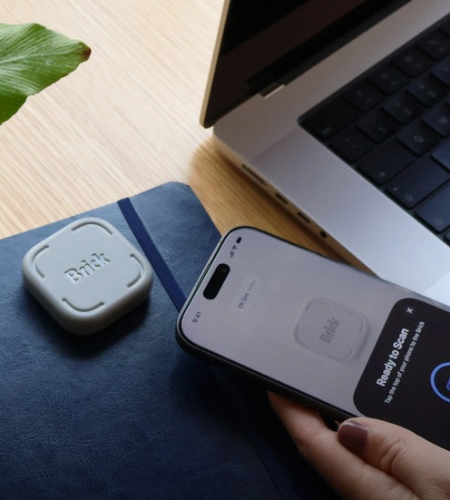
The standard Brick device works with the Brick mobile application. Users select the applications and websites they want to block, create customized modes, and activate a blocking session by tapping their compatible smartphone against the physical device.
This approach can be useful when establishing dedicated family hours because accessing selected applications requires returning to the physical Brick device.
Exploring Brick and Brick Night
Brick offers two products with different approaches to managing digital distractions.
Brick: The standard physical app blocker is designed for everyday activities, including family time, studying, and focused work. Users can create customized modes to restrict selected applications during specific activities.
Brick Night: This product uses Bluetooth technology to automatically block selected applications when a compatible phone enters a designated space during configured hours. It is particularly relevant for households that want to establish better nighttime phone routines.
Both products work with the Brick application, but their activation methods are different. Brick LLC+2
Why Consider Brick for Family Time?
Brick may be worth considering if you frequently find yourself returning to distracting applications during family activities.
Some useful features include:
- Custom blocking modes for different activities.
- Physical activation for the standard Brick device.
- Automatic location-based blocking with Brick Night.
- Options for restricting selected applications and websites.
- Flexible routines for work, family activities, and personal time.
The official store currently lists Brick at $59 and Brick Night at $129. A 30-day money-back guarantee is also advertised on the product pages. Prices and terms may change, so check the latest details before purchasing. Brick LLC+1
One consideration is that Brick requires a compatible smartphone and its accompanying application. Families who only need occasional phone-free periods may find ordinary household rules and built-in screen-time settings sufficient.
Frequently Asked Questions
1. How can families spend less time on phones?
Introduce phone-free meals, plan shared activities, establish device-free hours, and encourage everyone to participate in offline experiences.
2. What are some fun phone-free family activities?
Board games, cooking, outdoor walks, gardening, reading, puzzles, and creative projects are enjoyable options for different age groups.
3. How do I encourage my children to use phones less?
Set a positive example, establish reasonable household boundaries, and offer enjoyable alternatives to recreational screen time.
4. Should phones be allowed during family meals?
Families can decide their own rules, but keeping phones away during meals may encourage better conversations and reduce unnecessary interruptions.
5. Can Brick help create phone-free family time?
Yes. Brick allows users to block selected distracting applications through customized modes, making it an option for people who want more structured family time.
Conclusion
Spending less time on your phone does not mean giving up technology. It means making room for the people and experiences that matter. Simple habits such as phone-free dinners, shared activities, dedicated family hours, and reduced notifications can help create a more connected home environment.
For additional support, Brick offers physical app-blocking products that can help users establish boundaries around distracting applications. Explore Brick’s official store to understand its available solutions and decide whether they fit your family’s digital habits.


